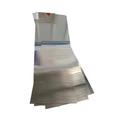
As a supplier of TZM molybdenum, I've witnessed the growing demand for this high - performance alloy in various industries. TZM molybdenum, an alloy composed mainly of molybdenum with small amounts of titanium, zirconium, and carbon, is renowned for its excellent high - temperature strength, creep resistance, and thermal conductivity. It is widely used in aerospace, electronics, and the nuclear industry. However, like any industrial production process, the production of TZM molybdenum has significant environmental impacts.
Mining and Ore Extraction
The first step in TZM molybdenum production is mining molybdenum ore. Molybdenum is typically found in combination with other metals such as copper in porphyry deposits. Open - pit mining is the most common method for extracting these ores. This large - scale mining operation has several environmental consequences.
One of the most visible impacts is habitat destruction. Vast areas of land are cleared to make way for mining activities, leading to the displacement and even extinction of many plant and animal species. The removal of vegetation disrupts the local ecosystem, affecting soil stability, water cycles, and wildlife habitats. For example, in some regions where molybdenum mines are located, native species that depend on the natural vegetation for food and shelter have seen a sharp decline in their populations.
Mining also generates a large amount of waste rock and tailings. Waste rock is the non - ore material that is removed during the mining process, while tailings are the fine - grained residues left after the ore has been processed. These waste materials are often stored in large piles or tailings dams. Over time, these structures can pose a significant risk of collapse, especially in areas prone to earthquakes or heavy rainfall. If a tailings dam fails, it can release large amounts of toxic substances, including heavy metals such as lead, mercury, and cadmium, into the surrounding environment. These pollutants can contaminate soil, water sources, and air, posing a serious threat to human health and the environment.
Ore Processing
Once the molybdenum ore is extracted, it needs to be processed to obtain pure molybdenum. The ore is first crushed and ground into a fine powder, and then subjected to a series of chemical and physical processes to separate the molybdenum from other elements. These processes consume large amounts of energy and water.
The energy required for ore processing is mainly derived from fossil fuels, such as coal and natural gas. The combustion of these fossil fuels releases large amounts of greenhouse gases, including carbon dioxide, methane, and nitrous oxide, into the atmosphere. These gases contribute to global warming and climate change, which have far - reaching consequences for the environment and human society. For instance, rising global temperatures can lead to more frequent and severe extreme weather events, such as heatwaves, droughts, floods, and hurricanes.
Water is another critical resource used in ore processing. The water is used for various purposes, such as ore washing, flotation, and leaching. However, the water used in these processes often becomes contaminated with chemicals and heavy metals. If this wastewater is not properly treated before being discharged into the environment, it can cause serious water pollution. Contaminated water can harm aquatic life, make water sources unfit for human consumption, and damage agricultural land.
Alloy Production
After obtaining pure molybdenum, it is alloyed with titanium, zirconium, and carbon to produce TZM molybdenum. The alloying process also has environmental implications.
The production of titanium, zirconium, and carbon involves their own set of industrial processes, each with its own environmental impacts. For example, titanium production is an energy - intensive process that often involves the use of hazardous chemicals. The extraction and processing of zirconium can also generate significant amounts of waste and pollution.
During the alloying process, high - temperature furnaces are used to melt and mix the metals. These furnaces consume a large amount of energy, mainly in the form of electricity. In addition, the high - temperature operation can release various pollutants into the air, such as particulate matter, sulfur dioxide, and nitrogen oxides. These pollutants can cause air pollution, which can have adverse effects on human health, including respiratory problems, heart disease, and cancer.
Product Transportation
Once the TZM molybdenum products, such as TZM Molybdenum Rod, TZM Material, and TZM Molybdenum Sheet, are produced, they need to be transported to customers. Transportation is another source of environmental impact.


Most TZM molybdenum products are transported by trucks, trains, or ships. These modes of transportation rely on fossil fuels, which emit greenhouse gases and air pollutants. Trucks, in particular, are a major source of carbon dioxide emissions and air pollution, especially in urban areas. The transportation of heavy and bulky TZM molybdenum products over long distances can significantly contribute to the overall carbon footprint of the product.
Mitigating the Environmental Impacts
As a responsible TZM molybdenum supplier, we are committed to minimizing the environmental impacts of our production processes. We are constantly exploring and implementing various measures to reduce energy consumption, water usage, and waste generation.
In the mining and ore extraction stage, we are adopting more sustainable mining practices. This includes reforestation efforts to restore the habitats that have been damaged by mining activities. We are also investing in advanced technologies to improve the efficiency of ore extraction and reduce the amount of waste rock and tailings generated.
For ore processing, we are upgrading our processing facilities to use more energy - efficient equipment and renewable energy sources. We are also implementing water recycling systems to reduce water consumption and minimize wastewater discharge. By treating the wastewater before discharge, we can ensure that it meets environmental standards and does not cause pollution.
In alloy production, we are working with our suppliers to source raw materials from more sustainable sources. We are also optimizing the alloying process to reduce energy consumption and air pollutant emissions.
During product transportation, we are exploring ways to optimize our logistics and transportation routes to reduce fuel consumption and emissions. We are also considering the use of more environmentally friendly transportation modes, such as electric vehicles and trains.
Conclusion
The production of TZM molybdenum has significant environmental impacts, from mining and ore extraction to product transportation. However, by adopting sustainable practices and implementing advanced technologies, we can minimize these impacts and ensure that our production processes are more environmentally friendly.
If you are interested in purchasing high - quality TZM molybdenum products, such as TZM Molybdenum Rod, TZM Material, or TZM Molybdenum Sheet, please feel free to contact us for a detailed discussion. We are dedicated to providing you with top - notch products while also being environmentally responsible.
References
- Norgate, T. E., & Jahanshahi, S. (2010). Embodied energy and greenhouse gas emissions of metals. Journal of Cleaner Production, 18(13), 1279 - 1288.
- Singh, M., & Lee, D. (2019). Environmental impact assessment of mining and mineral processing industries. In Handbook of environmental engineering (pp. 149 - 176). Springer, Cham.
- USEPA. (2022). Metals Mining and Processing. Retrieved from the official website of the United States Environmental Protection Agency.