Detailed Content
1. Pure Molybdenum's Fundamental Physical Properties & Industrial Significance
Pure molybdenum, as a transition metal, occupies an irreplaceable position in modern industrial manufacturing due to its exceptional high-temperature properties and chemical stability. Pure molybdenum's melting point of 2,617°C, though lower than tungsten, serves as a more cost-effective alternative in equivalent high-temperature applications.
Key physical properties of pure molybdenum include:
(1) Density of 10.2 g/cm³, approximately 50% lighter than tungsten;
(2) Thermal expansion coefficient of 5.3×10⁻⁶/K, relatively low and favorable for precision applications;
(3) Thermal conductivity of 138 W/m·K, moderate among metals;
(4) Elastic modulus of 320 GPa, relatively high strength.
From a chemical perspective, pure molybdenum exhibits superior corrosion resistance, resisting acid and base corrosion at room and intermediate temperatures. This makes it ideal material for industries with corrosive environments like metallurgy and chemicals. Simultaneously, pure molybdenum is extraordinarily stable in vacuum and inert gas environments, virtually avoiding oxidation or reactions.
For B2B procurement departments, understanding these fundamental properties is prerequisite for correct selection and evaluation of molybdenum materials. Different applications have vastly different performance requirements for pure molybdenum; blind procurement can result in cost waste or insufficient performance.
2. Pure Molybdenum Technical Specification Classification & Selection Methods
Pure molybdenum divides into multiple specification categories based on use and purity grade:
【Purity Grade】 Per international standards (ASTM B385), pure molybdenum divides into 99.9%-99.99% and various other purity grades. High-purity molybdenum (99.99%+) for semiconductors and vacuum applications costs more; general-purity molybdenum (99.9%) for metallurgical and chemical applications offers better economy. Selection should match actual purity requirements, avoiding over-specification cost waste.
【Microstructural State】 Pure molybdenum divides into annealed and cold-worked states. Annealed molybdenum exhibits better toughness and machinability, suitable for applications requiring further processing; cold-worked molybdenum shows higher hardness and strength, suitable for final-form applications.
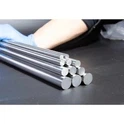
【Morphological Specifications】 Pure molybdenum supply forms include bars, plates, tubes, mesh, wire. Different uses require different forms-crucible and boat applications need plates or special shapes; molybdenum wire suits heating element applications; molybdenum mesh suits structural support.
【Oxygen Content Specification】 For high-temperature applications, pure molybdenum oxygen content is critical. High oxygen content causes material embrittlement, reducing high-temperature strength. Premium applications should select low-oxygen products (typically ≤100 ppm).
【Impurity Element Limits】 Different applications have different impurity element tolerances. Vacuum applications are sensitive to carbon and nitrogen gas impurities; metallurgical applications can tolerate relatively higher silicon and iron content. Procurement should clearly specify allowable impurity elements and limits based on application.
3. Common Issues in Pure Molybdenum Procurement & Solutions
【Issue 1: Price Volatility Risk】 As commodity metal, molybdenum prices fluctuate significantly with international markets. Solutions include negotiating fixed-price long-term framework contracts with suppliers, or using floating price plus fixed margin approaches, obtaining cost protection while sharing market benefits.
【Issue 2: Quality Consistency】 Different molybdenum batches may show slight performance variations. Solutions include establishing strict incoming inspection processes, sampling testing of critical specifications (hardness, tensile strength, oxygen content), while requiring suppliers provide complete quality documentation.
【Issue 3: Lead Time and Inventory Balance】 Molybdenum production cycles are relatively long, yet procurement must flexibly address production demands. Solutions include establishing reasonable inventory (typically 3-6 months) based on production schedules and negotiating variance handling mechanisms between forecasts and actual orders with suppliers.
【Issue 4: Specialty Specification Availability】 Certain specialty forms or purities require customization with longer lead times. Solutions include early evaluation of product design molybdenum specification requirements, discussing with suppliers whether standard specifications can substitute, shortening lead times.
【Issue 5: Post-Sale Technical Support】 Molybdenum applications involve complex processes with potential usage issues. Selecting suppliers providing technical support quickly solves production problems, avoiding extended downtime.
4. Pure Molybdenum Long-Term Procurement Strategy & Supplier Evaluation Framework
【Supplier Evaluation Dimensions】 When selecting pure molybdenum suppliers, comprehensively consider: (1) Quality capability-holding international certifications and complete testing equipment; (2) Technical capability-providing customized solutions and technical support; (3) Supply capability-sufficient production capacity and inventory assurance; (4) Commercial capability-price competitiveness, payment terms, response speed.
【Establishing Cooperation Framework】 Recommend procurement departments establish long-term relationships with at least 2 premium suppliers, dispersing single-supplier risk. Negotiate with suppliers: (1) Framework contract periods (typically 2-3 years); (2) Monthly forecast and actual order variance tolerance; (3) Emergency order expedite fees and delivery commitments; (4) Quality issue resolution mechanisms and return policies.
【Regular Assessment and Communication】 Establish annual or quarterly supplier evaluation mechanisms, scoring suppliers on quality, delivery, response speed. Conduct regular business reviews, communicating demand forecasts and product planning, establishing more stable supply relationships.
【Technical Innovation and Improvement】 Regularly discuss product improvement opportunities with suppliers-new forms, purity grades, cost optimization approaches. Such collaboration helps procurement reduce costs while helping suppliers enhance market competitiveness.
Choosing kdmet.com as your pure molybdenum supplier provides products complying with ASTM B385, GB 2554 international standards, complete quality documentation and technical support, welcoming establishment of long-term strategic cooperation.