I. Basic Introduction to Molybdenum
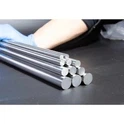
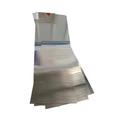
Molybdenum (Mo) is a metallic chemical element whose high strength, high melting point, and excellent corrosion resistance make it widely used in various industrial applications. Pure molybdenum is a silvery-white metal with high hardness that maintains its strength and stability even at high temperatures.
II. Applications of Molybdenum
Molybdenum has important applications in a variety of fields. Due to its excellent heat and corrosion resistance, it is widely used in aerospace, aviation, petrochemicals, and other fields. In aerospace, molybdenum is often used to manufacture heat-resistant components for rocket engines. In the petrochemical industry, molybdenum is used to manufacture corrosion-resistant reactors and pipelines.
III. Introduction to Molybdenum Alloys
To further enhance the performance of molybdenum, scientists have combined molybdenum with other elements to create various molybdenum alloys. Molybdenum alloys not only retain the original advantages of molybdenum but also enhance its heat resistance and corrosion resistance by adding other elements such as vanadium and chromium.
IV. Characteristics and Applications of Molybdenum-Vanadium Alloy Steel
Molybdenum-vanadium alloy steel is a typical molybdenum alloy with the addition of vanadium. This alloy not only retains the high hardness and corrosion resistance of molybdenum, but also boasts enhanced wear and impact resistance due to the addition of vanadium. Therefore, molybdenum-vanadium alloy steel is widely used in the manufacture of components requiring high strength and wear resistance, such as heavy-duty bearings and cutting tools.
V. Conclusion
Molybdenum and its alloys, with their unique physical and chemical properties, play an irreplaceable role in numerous industrial fields. In particular, high-performance materials like molybdenum-vanadium alloy steel have driven the advancement and development of industrial technology. Through in-depth research and application of molybdenum and its alloys, we can expect to see the emergence of more innovative materials in the future, meeting more complex and demanding engineering requirements.