What is the role of pure tungsten wire in the lighting industry?
In the dynamic and ever - evolving lighting industry, the search for materials that can offer high performance, durability, and efficiency is a continuous one. Among the various materials that have been explored and utilized, pure tungsten wire stands out as a key player. As a reliable supplier of pure tungsten wire, I have witnessed firsthand the significant role it plays in this industry.
Physical and Chemical Properties of Pure Tungsten Wire
Pure tungsten wire is characterized by several remarkable physical and chemical properties that make it highly suitable for lighting applications. First and foremost, tungsten has an extremely high melting point, reaching approximately 3422°C. This high melting point allows the wire to withstand the intense heat generated during the operation of lighting devices without melting or deforming. In comparison to other metals commonly used in the industry, such as copper or aluminum, whose melting points are much lower (copper melts at around 1085°C and aluminum at about 660°C), tungsten's ability to endure high temperatures is a game - changer.
Another important property is its high tensile strength. Tungsten wire can withstand significant mechanical stress, which is crucial in lighting fixtures where the wire may be subject to vibrations or movements. This strength ensures the stability and longevity of the wire within the lighting device. Additionally, tungsten has relatively low vapor pressure at high temperatures. This means that during the operation of a light source, very little of the tungsten evaporates, which helps to maintain the integrity of the wire and the performance of the lighting product over time.
Incandescent Lighting
One of the most well - known applications of pure tungsten wire in the lighting industry is in incandescent light bulbs. In an incandescent bulb, an electric current passes through the tungsten wire, heating it to a high temperature. As the wire heats up, it begins to glow, emitting visible light. The high melting point of tungsten is essential here because the wire needs to reach a very high temperature (usually around 2500 - 3000 K) to produce a significant amount of visible light.
The efficiency of incandescent bulbs is related to the temperature of the tungsten filament. Higher temperatures result in a greater proportion of the electrical energy being converted into visible light rather than heat. However, operating at extremely high temperatures also increases the rate of tungsten evaporation. To mitigate this issue, modern incandescent bulbs are often filled with an inert gas, such as argon or nitrogen, which reduces the evaporation rate of the tungsten wire and extends the lifespan of the bulb.
Although incandescent bulbs are being gradually phased out in many parts of the world due to their relatively low energy efficiency compared to other lighting technologies, they still have their niche applications. For example, they are often used in decorative lighting, where the warm, soft light they produce is highly desirable. And pure tungsten wire remains the material of choice for the filaments in these bulbs.


Halogen Lighting
Halogen lamps are an improvement over traditional incandescent bulbs. They also use a tungsten filament, but they operate in a different way. In a halogen lamp, a small amount of a halogen gas, such as iodine or bromine, is added to the bulb. When tungsten evaporates from the filament, it reacts with the halogen gas in the bulb. This reaction forms a tungsten - halogen compound, which then redeposits the tungsten back onto the filament.
This process, known as the halogen cycle, allows the halogen lamp to operate at higher temperatures than a regular incandescent bulb without a significant loss of tungsten from the filament. As a result, halogen lamps are more efficient and have a longer lifespan. The high - quality pure tungsten wire used in halogen lamps needs to have excellent uniformity and purity to ensure consistent performance. Our company supplies pure tungsten wire that meets these strict requirements, enabling manufacturers to produce high - performance halogen lamps.
Tungsten - Halogen Projectors
In the field of projection lighting, tungsten - halogen lamps are widely used. These projectors are commonly found in theaters, conference rooms, and classrooms. The high brightness and color temperature of tungsten - halogen lamps make them ideal for projection applications. The pure tungsten wire in these lamps is carefully designed and manufactured to provide a stable and intense light source.
The wire's high tensile strength is particularly important in projectors, as the lamp may be subject to rapid on - off cycles and vibrations during operation. A reliable tungsten wire ensures that the lamp can maintain its performance under these conditions. Moreover, the low vapor pressure of tungsten helps to prevent the deposition of tungsten on the inner surface of the lamp envelope, which could otherwise reduce the light output and quality of the projection.
Other Lighting Applications
Beyond incandescent, halogen, and projection lighting, pure tungsten wire also has applications in other lighting technologies. For example, in some types of high - intensity discharge (HID) lamps, tungsten electrodes are used. These electrodes play a crucial role in initiating and maintaining the electrical arc within the lamp, which is responsible for producing light.
In addition, pure tungsten wire can be used in specialty lighting applications, such as in stage lighting and automotive headlights. In stage lighting, the ability of tungsten wire to produce a bright and controllable light source is highly valued. In automotive headlights, the high strength and heat resistance of tungsten wire contribute to the reliability and performance of the lighting system.
Related Tungsten Products
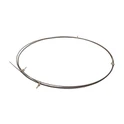
In addition to pure tungsten wire, there are other related tungsten products that are also relevant in the lighting industry. For example, Tungsten Wire Rope can be used in some specialized lighting fixtures where a stronger and more flexible wire structure is required. The wire rope combines the strength of tungsten with a unique configuration that can withstand more complex mechanical stresses.
Pure Tungsten Rod can be used in the manufacturing of certain lighting components, such as support structures or electrodes with specific shapes. The rod provides a solid and stable form of tungsten that can be machined or shaped according to the requirements of the lighting product.
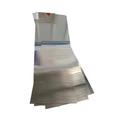
Wolfram Sheet can also have applications in lighting, for example, in heat shields or reflectors. The sheet can be fabricated into various shapes to optimize the performance of the lighting device, such as directing light more effectively or protecting other components from heat.
Conclusion
Pure tungsten wire plays a vital and diverse role in the lighting industry. Its unique physical and chemical properties, such as high melting point, strength, and low vapor pressure, make it an indispensable material in various lighting technologies, from traditional incandescent bulbs to modern specialty lighting applications.
As a supplier of pure tungsten wire, we are committed to providing high - quality products that meet the strict requirements of the lighting industry. Our wire is carefully manufactured to ensure uniformity, purity, and performance. Whether you are a manufacturer of incandescent bulbs, halogen lamps, or other lighting products, we can offer you the right solution.
If you are interested in purchasing pure tungsten wire for your lighting applications or have any questions about our products, we encourage you to contact us for a detailed discussion. We look forward to the opportunity to work with you and contribute to the success of your lighting projects.
References
- "Handbook of Tungsten: Properties, Chemistry, Technology of the Element, Alloys, and Chemical Compounds" by R. Kieffer and F. Benesovsky.
- "Lighting Handbook: Reference and Application" by the Illuminating Engineering Society of North America.
- Research papers on the development and application of tungsten in lighting technology from various academic journals.