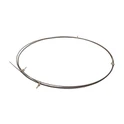
Hey there! I'm a supplier of Wolfram Wire, and I know firsthand that dealing with issues related to it can be a real headache. But don't worry, I'm here to share some tips on how to troubleshoot those pesky problems.
First off, let's talk about what Wolfram Wire is. Wolfram, also known as tungsten, is a super strong and heat - resistant metal. Wolfram Wire is made from this amazing material and is used in a bunch of different industries, like electronics, lighting, and even aerospace.


Common Issues and How to Fix Them
1. Breakage
One of the most common problems with Wolfram Wire is breakage. This can happen for several reasons. If the wire breaks during handling, it might be due to improper storage or rough handling. Wolfram Wire is brittle, so it needs to be treated gently.
- Storage: Make sure you store the wire in a dry and clean environment. Avoid storing it in areas where it can be easily bumped or bent. If the wire has been stored in a tight coil for a long time, it can develop internal stresses that make it more prone to breakage. Try to unwind it slowly and carefully.
- Handling: When you're working with the wire, use proper tools. Sharp or rough - edged tools can cause nicks and cuts in the wire, which can lead to breakage. Instead, use smooth - edged pliers or tweezers.
If the wire breaks during use, for example, in a manufacturing process, it could be because of excessive tension. Check the tension settings on your equipment. If the tension is too high, it can put too much stress on the wire and cause it to snap. Adjust the tension to a more appropriate level.
2. Poor Conductivity
Wolfram Wire is often used for its electrical conductivity. If you notice that the wire isn't conducting electricity as well as it should, there are a few things you can check.
- Surface Contamination: Over time, the surface of the wire can get contaminated with dirt, oil, or other substances. This can interfere with the flow of electricity. Clean the wire using a mild solvent. Make sure to dry it thoroughly before using it again.
- Oxidation: Tungsten can oxidize when exposed to air, especially at high temperatures. Oxidation can reduce the wire's conductivity. If you suspect oxidation, you can try to remove the oxide layer using a chemical treatment. However, be careful as some chemical treatments can damage the wire if not used correctly.
3. Inconsistent Diameter
Another issue you might encounter is an inconsistent diameter of the wire. This can be a problem, especially in applications where precise dimensions are required.
- Manufacturing Defects: Sometimes, the problem can be traced back to the manufacturing process. If you suspect a manufacturing defect, contact the manufacturer. They can help you determine if the wire is within the specified tolerance.
- Wear and Tear: If the wire has been used for a long time, it can wear down in some areas, causing the diameter to change. In this case, you might need to replace the wire.
Special Considerations for Pure Tungsten
Wolfram Wire is often made from pure tungsten. Pure Tungsten Bar is the raw material used to make the wire. When troubleshooting issues with Wolfram Wire, it's important to understand the properties of pure tungsten.
- Hardness and Brittleness: Pure tungsten is extremely hard and brittle. This means that it can be difficult to machine. Machining Pure Tungsten requires special techniques and tools. If you're having issues with the wire during machining, make sure you're using the right cutting tools and techniques. For example, using a slow cutting speed and a high - pressure coolant can help prevent the wire from cracking or breaking during machining.
- High Melting Point: Tungsten has a very high melting point. This can be an advantage in some applications, but it also means that it can be difficult to join the wire to other materials. If you're having trouble joining the wire, you might need to use a specialized welding or brazing process.
When to Seek Professional Help
Sometimes, the issues with Wolfram Wire can be too complex to solve on your own. If you've tried all the troubleshooting steps and you're still having problems, it might be time to seek professional help.
- Technical Support: Many manufacturers offer technical support. They can provide you with more in - depth advice on how to solve your specific problem. They might also be able to offer replacement parts or suggest alternative solutions.
- Industry Experts: There are also industry experts who specialize in tungsten and its applications. You can reach out to them for advice. They can offer insights based on their experience and knowledge.
Conclusion
Troubleshooting issues with Wolfram Wire can be a challenge, but with the right knowledge and approach, you can overcome most problems. Remember to handle the wire carefully, keep it clean, and check for any signs of damage or wear. If you're still having trouble, don't hesitate to seek help.
If you're in the market for high - quality Wolfram Wire or have any questions about our products, we'd love to hear from you. Whether you're looking to place an order or just want to discuss your specific needs, we're here to assist. Reach out to us, and let's start a conversation about how we can meet your requirements.
References
- "Tungsten: Properties, Production, and Applications" - A comprehensive guide on tungsten and its various forms.
- Industry reports on the use of Wolfram Wire in different sectors.