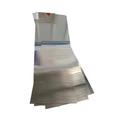
What is the color of a molybdenum bar? This seemingly simple question actually opens up a fascinating exploration into the world of molybdenum, a metal with unique properties and a wide range of applications. As a molybdenum bar supplier, I am excited to share with you the details about the color of molybdenum bars and much more.
Physical Appearance and Color of Molybdenum Bars
Molybdenum is a silvery - white metal in its pure form. When you look at a molybdenum bar, you will notice a distinct metallic luster and a color that falls within the silvery - white spectrum. This color is a characteristic feature of many metals, but molybdenum has its own unique shade. The silvery - white color is a result of the way molybdenum atoms interact with light. When light hits the surface of a molybdenum bar, the electrons in the metal absorb and re - emit the light in a way that gives it this shiny, silvery appearance.
However, the color of a molybdenum bar can be affected by several factors. One of the most significant factors is oxidation. When molybdenum is exposed to air, it can form a thin oxide layer on its surface. This oxide layer can change the color of the bar. In some cases, the molybdenum bar may develop a slightly bluish or yellowish tint due to the presence of the oxide. The degree of oxidation depends on the environmental conditions such as humidity, temperature, and the length of exposure to air.
Another factor that can influence the color of a molybdenum bar is impurities. If the molybdenum bar contains small amounts of other elements, these impurities can alter the color of the bar. For example, if there are traces of iron or copper in the molybdenum bar, it may have a slightly different color compared to a pure molybdenum bar.
Properties of Molybdenum Bars
Apart from its color, molybdenum bars have several other remarkable properties that make them highly valuable in various industries. Molybdenum has a very high melting point, which is around 2623 °C (4753 °F). This high melting point makes molybdenum bars suitable for applications where high - temperature resistance is required. For instance, they are used in the aerospace industry for manufacturing components that need to withstand extreme heat, such as turbine blades and rocket nozzles.
Molybdenum also has excellent mechanical properties. It is a strong and ductile metal, which means it can be easily shaped and formed into different products. This makes molybdenum bars ideal for machining into various parts, including Molybdenum Screw, Molybdenum Nut, and Molybdenum Threaded Rod. These products are widely used in industries such as electronics, automotive, and machinery.
In addition, molybdenum has good corrosion resistance. It can resist the effects of many chemicals, which makes it suitable for use in environments where corrosion is a concern. This property is particularly important in the chemical and petrochemical industries, where molybdenum bars are used in the construction of reactors and other equipment.
Applications of Molybdenum Bars
The unique properties of molybdenum bars have led to their widespread use in many industries. In the electronics industry, molybdenum bars are used as electrodes in high - power vacuum tubes and semiconductor devices. The high melting point and good electrical conductivity of molybdenum make it an ideal material for these applications.
In the automotive industry, molybdenum bars are used in the manufacturing of engine parts. The high strength and heat resistance of molybdenum help to improve the performance and durability of engines. For example, molybdenum is often added to steel alloys used in engine components to enhance their strength and wear resistance.
The medical industry also benefits from the use of molybdenum bars. Molybdenum is used in the production of X - ray tubes. The high melting point and good thermal conductivity of molybdenum make it suitable for this application, as it can withstand the high temperatures generated during X - ray production.
Quality Control of Molybdenum Bars
As a molybdenum bar supplier, we understand the importance of quality control. We ensure that our molybdenum bars meet the highest standards in terms of purity, color, and other properties. We use advanced testing methods to analyze the composition and quality of our molybdenum bars.
For example, we use spectroscopy to determine the exact composition of the molybdenum bars and to detect any impurities. We also conduct mechanical tests to ensure that the bars have the required strength and ductility. In addition, we carefully monitor the color of the molybdenum bars to ensure that they have the characteristic silvery - white color and are free from any significant discoloration due to oxidation or impurities.
Why Choose Our Molybdenum Bars
When it comes to choosing a molybdenum bar supplier, there are several reasons why you should choose us. Firstly, we have a team of experienced professionals who are knowledgeable about molybdenum and its applications. They can provide you with expert advice and guidance on the selection of the right molybdenum bars for your specific needs.


Secondly, we have a state - of - the - art manufacturing facility that allows us to produce high - quality molybdenum bars. We use the latest production techniques and equipment to ensure that our bars are of the highest quality.
Thirdly, we offer a wide range of molybdenum bar products, including different sizes and grades. Whether you need a small quantity of molybdenum bars for a research project or a large quantity for industrial use, we can meet your requirements.
Contact Us for Purchasing Molybdenum Bars
If you are interested in purchasing molybdenum bars or any of our related products such as Molybdenum Screw, Molybdenum Nut, or Molybdenum Threaded Rod, please feel free to contact us. We are ready to discuss your needs and provide you with a competitive quote. Our team is committed to providing you with the best service and high - quality products.
References
- ASM Handbook Committee, ASM Handbook Volume 2: Properties and Selection: Nonferrous Alloys and Special - Purpose Materials, ASM International, 2001.
- Lide, D. R., CRC Handbook of Chemistry and Physics, 97th Edition, CRC Press, 2016.