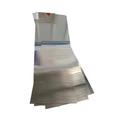
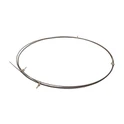
Hey there! As a supplier of pure molybdenum, I've been getting a lot of questions lately about the tribological properties of this amazing metal. So, I thought I'd take a few minutes to break it down for you.
First off, let's talk about what tribology is. Tribology is the study of friction, wear, and lubrication. When we're talking about the tribological properties of pure molybdenum, we're looking at how it behaves when it comes into contact with other surfaces, how much it wears down over time, and how well it can be lubricated.
One of the key things about pure molybdenum is its low coefficient of friction. The coefficient of friction is a measure of how easily two surfaces slide over each other. A low coefficient of friction means that there's less resistance when the surfaces are in motion, which can lead to less energy loss and less wear and tear on the materials. Pure molybdenum has a relatively low coefficient of friction, especially when compared to some other metals. This makes it a great choice for applications where smooth movement is important, like in bearings or sliding components.
Another important aspect of the tribological properties of pure molybdenum is its wear resistance. Wear is the gradual removal of material from a surface due to contact with another surface. Pure molybdenum has good wear resistance, which means it can withstand a lot of rubbing and scraping without losing too much of its material. This is because molybdenum has a high hardness and a strong crystal structure. The hardness helps it resist deformation, and the crystal structure gives it the strength to hold up under pressure.
When it comes to lubrication, pure molybdenum can work well with a variety of lubricants. Lubricants are used to reduce friction and wear between surfaces. Molybdenum can form a stable boundary layer with many lubricants, which helps to further reduce friction and protect the surface from wear. This is especially useful in high - stress or high - temperature applications, where normal lubricants might break down.
Now, let's talk about some of the applications where the tribological properties of pure molybdenum really shine. One common application is in the manufacturing of Molybdenum Washer. Washers are used to distribute the load of a fastener and prevent damage to the surfaces being joined. The low friction and high wear resistance of pure molybdenum make it an ideal material for washers, as they can ensure smooth installation and long - term performance.
Another application is Molybdenum Bar. Molybdenum bars are often used in machinery and equipment where they need to withstand high levels of stress and movement. The good tribological properties of molybdenum mean that the bars can operate smoothly and have a long service life, even in harsh environments.
Molybdenum Heating Element is also an important application. In heating elements, there's often a lot of thermal expansion and contraction, which can cause wear and tear. The wear resistance and low friction of pure molybdenum help the heating elements to maintain their shape and performance over time, ensuring efficient heating.
So, if you're in the market for pure molybdenum products, whether it's for their tribological properties or other reasons, I'm here to help. I've got a wide range of pure molybdenum products available, and I can work with you to find the right solution for your specific needs. Whether you're a small - scale manufacturer or a large industrial company, I'm confident that I can provide you with high - quality pure molybdenum products at a competitive price.


If you're interested in learning more or starting a purchase, just reach out. We can have a chat about your requirements, and I'll do my best to answer all your questions. I'm always happy to help you make the right choice for your business.
References:
- "Tribology Handbook", CRC Press
- "Materials Science and Engineering: An Introduction", John Wiley & Sons