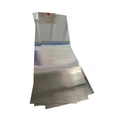
As a supplier of pure tungsten sheets, I understand the significance of proper transportation in ensuring the quality and integrity of our products reach our customers in pristine condition. Tungsten, known for its high melting point, density, and hardness, requires special handling during transportation. In this blog, I'll share some key considerations and best practices for transporting pure tungsten sheets.
Understanding the Characteristics of Pure Tungsten Sheets
Before delving into transportation methods, it's crucial to understand the unique properties of pure tungsten sheets. Tungsten has a melting point of approximately 3422°C (6192°F), making it one of the highest among all metals. It is also extremely dense, with a density of about 19.3 g/cm³, which is nearly twice that of lead. These properties mean that tungsten sheets are heavy and brittle, making them susceptible to damage if not handled correctly.


Packaging for Protection
The first step in transporting pure tungsten sheets is proper packaging. The packaging should be designed to protect the sheets from physical damage, such as scratches, dents, and breakage. Here are some packaging materials and techniques that can be used:
- Protective Wrapping: Use soft, non - abrasive materials like foam or bubble wrap to wrap each tungsten sheet individually. This helps to cushion the sheets and prevent them from rubbing against each other during transit.
- Custom - Made Crates: For larger shipments, custom - made wooden or metal crates can be used. These crates should be designed to fit the dimensions of the tungsten sheets precisely, minimizing movement inside the crate. The crates can also be reinforced with additional bracing to provide extra protection.
- Moisture Barriers: Tungsten can be affected by moisture, which may lead to corrosion over time. Therefore, it's important to include moisture barriers, such as plastic bags or desiccants, in the packaging to keep the sheets dry.
Choosing the Right Transportation Mode
The choice of transportation mode depends on several factors, including the quantity of tungsten sheets, the destination, and the urgency of delivery. Here are some common transportation modes and their considerations:
- Air Freight: Air freight is the fastest option for transporting pure tungsten sheets, especially for international shipments or urgent orders. However, it is also the most expensive. When using air freight, it's important to ensure that the packaging meets the airline's requirements and that the sheets are properly labeled as hazardous materials (if applicable). You can find more information about our Pure Tungsten Plate which can also be transported via air in some cases.
- Sea Freight: Sea freight is a cost - effective option for large - volume shipments. It is suitable for non - urgent orders and can handle heavy and bulky items. However, sea freight has a longer transit time, which may require additional protection against environmental factors such as humidity and saltwater. Specialized containers can be used to protect the tungsten sheets during sea transportation.
- Road Freight: Road freight is a convenient option for domestic or regional shipments. It allows for more flexibility in terms of delivery schedules and can be used for smaller quantities of tungsten sheets. When using road freight, ensure that the vehicle is properly secured and that the sheets are protected from vibrations and shocks during the journey.
Handling and Loading
Proper handling and loading are essential to prevent damage to pure tungsten sheets during transportation. Here are some guidelines to follow:
- Use Appropriate Equipment: When handling tungsten sheets, use equipment such as forklifts, cranes, or hoists that are designed to handle heavy and brittle materials. Ensure that the equipment is in good working condition and that the operators are trained to handle tungsten sheets safely.
- Avoid Dropping or Impact: Tungsten sheets are brittle and can break easily if dropped or subjected to impact. Therefore, it's important to handle them with care and avoid any sudden movements or drops during loading and unloading.
- Stacking and Securing: When stacking tungsten sheets, ensure that they are stacked evenly and that the weight is distributed evenly. Use straps or other securing devices to prevent the sheets from shifting during transit.
Documentation and Compliance
When transporting pure tungsten sheets, it's important to ensure that all necessary documentation is in order and that you comply with relevant regulations. Here are some key documents and regulations to consider:
- Bill of Lading: The bill of lading is a legal document that serves as a receipt for the goods being shipped and a contract between the shipper and the carrier. It should include detailed information about the tungsten sheets, such as the quantity, weight, and dimensions.
- Customs Documentation: For international shipments, you will need to provide customs documentation, including a commercial invoice, packing list, and certificate of origin. These documents are required for customs clearance and to ensure that the goods are properly classified and taxed.
- Hazardous Materials Regulations: Tungsten is considered a hazardous material in some cases, especially if it is in powder form or if it contains certain impurities. Therefore, it's important to comply with hazardous materials regulations, including proper labeling, packaging, and handling. You can also explore our Tungsten Wire Rope which may have different transportation requirements.
Monitoring and Tracking
During transportation, it's important to monitor and track the shipment to ensure that it arrives at its destination on time and in good condition. Here are some ways to monitor and track the shipment:
- Temperature and Humidity Monitoring: Use sensors to monitor the temperature and humidity inside the packaging or container. This can help to detect any potential issues, such as excessive moisture or high temperatures, which may affect the quality of the tungsten sheets.
- GPS Tracking: Use GPS tracking devices to monitor the location of the shipment in real - time. This can help to ensure that the shipment is on schedule and to provide updates to the customer.
Conclusion
Transporting pure tungsten sheets requires careful planning and attention to detail. By understanding the unique properties of tungsten, using proper packaging, choosing the right transportation mode, handling and loading the sheets correctly, ensuring compliance with regulations, and monitoring the shipment, you can ensure that the tungsten sheets reach your customers in good condition.
If you are interested in purchasing pure tungsten sheets or have any questions about transportation, please feel free to contact us for further discussion and negotiation. We are committed to providing high - quality products and excellent service to meet your needs. You may also be interested in our Pure Tungsten Electrodes for TIG Welding, Wolfram Sheet, and Pure Tungsten Metal.
References
- "Handbook of Tungsten: Properties, Chemistry, Technology of the Element, Alloys, and Chemical Compounds" by Ralf Kieffer, Friedrich Benesovsky
- "Transportation of Hazardous Materials: Regulations and Best Practices" by various authors in the field of logistics and safety.